
The Hidden Healthcare Crisis Facing Rural Veterans
Geographic Isolation, Medical Workforce Shortages, and the Urgent Need to Make Veterans’ Healthcare Accessible Regardless of ZIP Code
Opens your print window. Choose Save as PDF.
Executive Summary
America’s commitment to its veterans should not depend on where they live. Yet for millions of veterans residing in rural communities, geography remains one of the most consequential determinants of whether they can obtain timely, affordable, and comprehensive healthcare. While the Department of Veterans Affairs (VA) has expanded telehealth, community-based services, and transportation assistance, significant disparities persist between rural and urban veterans.
According to VA, approximately 4.5 million veterans live in rural or highly rural communities, and approximately 2.87 million were enrolled in VA healthcare as of June 30, 2026. Nearly two-thirds of enrolled rural veterans are at least 55 years old, and many experience complex medical conditions requiring ongoing treatment.¹
These veterans face overlapping barriers: long travel distances, limited access to specialists, shortages of healthcare professionals, inadequate broadband connectivity, transportation difficulties, and declining local hospital capacity. For veterans managing service-connected disabilities, chronic illnesses, or mental health conditions, these obstacles can transform routine medical appointments into extraordinary logistical challenges.
Recent federal findings demonstrate that expanding healthcare programs is insufficient without ensuring their effectiveness. The Government Accountability Office (GAO) has identified shortcomings in VA mobile medical unit oversight, community care coordination, appointment scheduling, and performance measurement.²,³
This brief examines the structural inequities affecting rural veterans, evaluates existing federal responses, and recommends reforms designed to ensure that geographic location no longer determines the quality of care a veteran receives. Healthcare access must be measured not merely by the availability of services, but by veterans’ ability to obtain appropriate treatment when they need it.
“A veteran’s ZIP code should never determine the quality of healthcare they receive, the speed of their diagnosis, or their opportunity to recover.”
The Scope of Rural Veterans’ Healthcare Disparities
Rural America has a longstanding connection to military service. Veterans are disproportionately represented in rural communities, reflecting military traditions, family ties, and the appeal of living in smaller towns and less densely populated regions. Yet the healthcare infrastructure serving these communities has not consistently kept pace with their medical needs.
| Rural veteran population | Approximately 4.5 million |
| Rural veterans enrolled in VA healthcare | Approximately 2.87 million |
| Share of rural veterans enrolled | Approximately 66% |
| Enrolled rural veterans aged 55 or older | Approximately 65% |
Rural veterans frequently experience multiple chronic conditions, including diabetes, cardiovascular disease, hypertension, obesity, and musculoskeletal disorders. Service-related injuries, traumatic brain injuries, and psychological conditions may further complicate treatment. An aging population increases demand for primary care, specialty medicine, rehabilitation, long-term care, and home-based services.
These needs are particularly difficult to address in communities where healthcare facilities are geographically dispersed and the number of available providers is limited. Delayed access can contribute to preventable complications, missed diagnoses, unmanaged chronic disease, and avoidable hospitalizations. Rural veterans often rely heavily on VA healthcare; weaknesses in access arrangements can have especially significant consequences where few alternatives exist.
Geographic Isolation: When Distance Becomes a Healthcare Barrier
For many rural veterans, accessing healthcare begins with a lengthy journey. Specialty appointments may require travel across county or state lines. Veterans needing oncology, cardiology, neurology, advanced imaging, or rehabilitation services may face substantial distances between their homes and appropriate medical facilities.
These journeys impose costs beyond fuel and mileage. Veterans may lose wages, require assistance from family members, arrange overnight accommodations, or postpone other responsibilities. Those with mobility limitations, chronic pain, or cognitive impairments face additional difficulties. Public transit may be nonexistent, rideshare services unreliable, and volunteer transportation programs limited by available drivers and funding.
GAO has evaluated VA initiatives intended to address these obstacles, including transportation assistance and mobile medical units. In May 2024, GAO reported that VA identified 52 active mobile medical units, but nine were either not mobile or were not providing clinical services.² This illustrates a broader accountability problem: counting healthcare resources does not necessarily establish that those resources are delivering care.
“Healthcare that exists on paper but cannot be reached in practice is not meaningful healthcare access.”
VA transportation assistance and mobile clinics offer important solutions, but their effectiveness depends on geographic coverage, scheduling reliability, clinical capacity, and integration with broader treatment plans. A veteran receiving a routine screening from a mobile clinic still needs a dependable pathway to diagnostic testing, specialist consultation, and follow-up treatment. Congress and VA leadership should evaluate these programs according to completed treatment, reduced delays, and patient outcomes—not simply the number of vehicles deployed or appointments offered.
The Rural Healthcare Workforce Shortage
The availability of healthcare professionals represents another major structural challenge. Rural communities frequently struggle to recruit and retain physicians, nurses, mental health clinicians, rehabilitation specialists, and other healthcare professionals. Smaller patient populations, professional isolation, limited housing availability, and fewer employment opportunities for spouses can make recruitment difficult. Hospitals and clinics may also lack resources needed to compete with larger metropolitan healthcare systems.
When rural facilities lose a specialist, patients may face longer waiting periods or travel farther for treatment. When a hospital closes or reduces services, surrounding communities absorb additional demand. Between 2013 and 2020, 101 rural hospitals closed nationwide, according to figures summarized by GAO.⁴ Although this statistic concerns the broader rural healthcare system rather than VA facilities specifically, it illustrates the fragility of infrastructure upon which many veterans depend.
A veteran requiring neurological rehabilitation, complex orthopedic treatment, or specialized mental health services may have access to primary care locally but few options for advanced treatment. VA should expand rural recruitment incentives, strengthen clinical training partnerships, and support shared staffing arrangements between VA facilities and community healthcare organizations. Federal policymakers should consider loan repayment, relocation assistance, and expanded professional development opportunities, prioritizing long-term retention rather than temporary staffing increases.
The Digital Divide: Telehealth’s Promise and Limitations
Telehealth has emerged as one of the most promising tools for overcoming geographic barriers. Through secure video consultations, remote monitoring, electronic communications, and virtual specialty appointments, veterans can receive certain medical services without traveling significant distances. During fiscal year 2023, more than 770,000 rural veterans participated in approximately 2.9 million telehealth encounters. VA has also deployed internet-connected tablets and established community telehealth access points.⁵
An August 2026 VA research report examined the Clinical Resource Hub program, which connects veterans with mental health services through regional clinical networks. Between fiscal years 2020 and 2024, rural-focused mental health teams completed 627,436 encounters, approximately 82% of which were delivered through telemedicine. The volume of telemental health services more than doubled during the study period.⁶
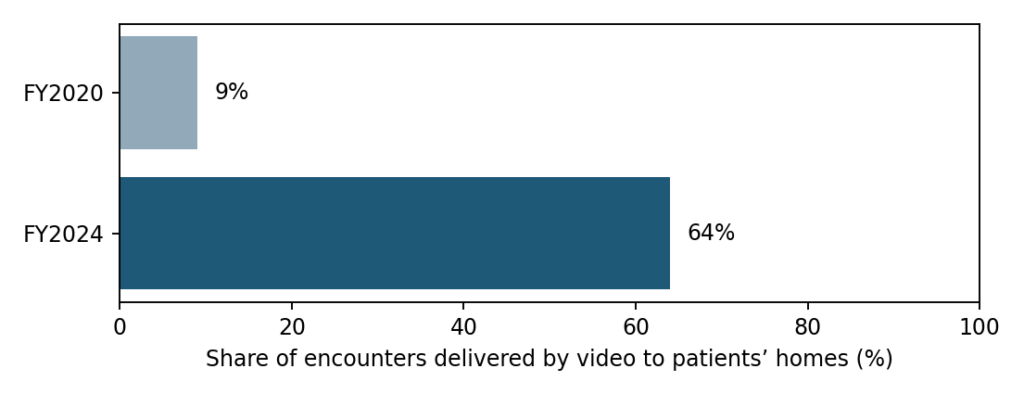
These developments demonstrate that technology can extend specialized healthcare. Nevertheless, broadband infrastructure remains inadequate in some communities. Older veterans may lack digital literacy, accessible equipment, or reliable technical support. Others require physical examinations, diagnostic imaging, surgical procedures, or hands-on rehabilitation that cannot be delivered virtually.
Technology must supplement, rather than replace, in-person healthcare. VA should expand digital inclusion initiatives while developing hybrid care models that combine virtual consultations with local clinical services. Telehealth access should be evaluated through completed appointments, patient satisfaction, clinical outcomes, and timely in-person follow-up. A virtual appointment is valuable only when it connects a veteran to meaningful treatment.
Mental Health, Social Isolation, and Unmet Needs
Rural veterans face distinctive mental health challenges that intersect with geographic isolation and limited healthcare infrastructure. Veterans experiencing post-traumatic stress disorder, depression, anxiety, substance use disorders, or other psychological conditions may encounter shortages of qualified clinicians. Long travel distances can discourage consistent therapy participation, particularly when treatment requires frequent appointments.
Social isolation may further complicate recovery. Veterans living alone, experiencing physical disabilities, or separated from military support networks may have fewer opportunities for regular social engagement. In smaller communities, concerns about privacy and stigma may also discourage seeking treatment. VA’s Clinical Resource Hub findings suggest that telehealth can increase mental health service capacity,⁶ but appointment availability must be accompanied by clinical follow-up, crisis intervention pathways, and coordination with local providers.
Rural mental health strategies should recognize the importance of family members, caregivers, veteran service organizations, and community-based support networks. Effective treatment requires continuity, trust, and accessible support systems. Policymakers should prioritize integrated mental health services within rural primary care, expand virtual specialty consultations, and strengthen local partnerships. Mobile behavioral health services and peer-support initiatives could improve engagement, with outcomes measured through treatment continuity and symptom improvement.
Community Care: Expanded Choice Without Guaranteed Access
The Veterans Community Care Program allows eligible veterans to receive treatment from authorized non-VA providers when certain access or clinical criteria are met. For rural veterans, it can provide flexibility when the nearest VA facility is far away or lacks specialty services. Yet expanded eligibility does not automatically guarantee timely treatment. Community providers may face the same staffing shortages as VA facilities; referral coordination problems, authorization requirements, and incomplete communication can further complicate care.
GAO reported in March 2026 that approximately 3.1 million veterans received community care in 2024. The agency identified continuing weaknesses in appointment scheduling, referral coordination, staffing assessment, and communication between VA facilities and community providers. Several previously issued recommendations remained incompletely implemented.⁷
A veteran may qualify for community care yet experience delays obtaining an appointment, transferring medical records, or receiving follow-up services. Fragmented care also creates clinical risks when providers lack timely information about medications, diagnoses, or treatment plans.
“Expanding healthcare choice is an important step. Ensuring that choice leads to timely, coordinated treatment is the responsibility that follows.”
VA should measure the time between referral, authorization, scheduling, and completed treatment. Veterans should receive clear information about providers, expected timelines, and whom to contact when care is delayed. Community care should function as an integrated extension of VA healthcare rather than a separate administrative process veterans must navigate independently.
Policy Recommendations: Building a Rural Veterans Healthcare Strategy
1. Expand mobile healthcare and transportation access
Increase deployment of fully operational mobile clinics in underserved regions, strengthen transportation partnerships, and prioritize veterans with mobility limitations. Track completed appointments and follow-up care rather than vehicle inventories alone.
2. Establish a rural veterans healthcare workforce initiative
Expand recruitment and retention incentives, rural clinical training opportunities, and partnerships with community hospitals. Prioritize specialties with documented shortages; evaluate vacancy rates, retention, and appointment availability.
3. Close the veterans’ digital healthcare divide
Expand broadband-enabled telehealth access points, device assistance, technical support, and digital literacy training. Maintain in-person alternatives and connect telehealth to local diagnostic and rehabilitative care.
4. Strengthen community care coordination and accountability
Establish standardized referral tracking, transparent appointment timelines, interoperable clinical information exchange, and clear responsibility for care coordination. Report delays and incomplete referrals, particularly for rural veterans.
5. Integrate mental health, rehabilitation, and social support
Expand integrated behavioral healthcare, virtual specialty services, peer-support programs, and community partnerships. Connect rural veterans to rehabilitation technologies and caregiver resources; measure treatment continuity and patient-reported outcomes.
These reforms should be supported by an annual rural veterans healthcare performance report identifying geographic disparities, program effectiveness, and measurable access goals. Congress should require transparent reporting, while VA should engage veterans, caregivers, clinicians, and rural community organizations in program evaluation. Public accountability must focus on veterans’ experiences and outcomes.
Conclusion: A Promise That Must Reach Every Community
America’s rural veterans have fulfilled their obligations to the nation. The nation’s obligation to them must be equally dependable. Healthcare disparities affecting rural veterans are neither inevitable nor beyond the reach of public policy. They reflect infrastructure limitations, workforce shortages, administrative inefficiencies, and geographic inequities that can be addressed through sustained investment and measurable reform.
The expansion of telehealth, mobile healthcare, and community care demonstrates that progress is possible. Yet these initiatives must be evaluated according to whether veterans receive timely diagnoses, effective treatment, continuous rehabilitation, and meaningful improvements in health. A veteran living hundreds of miles from a major medical center should not have to choose between personal financial hardship and necessary medical treatment. Geographic isolation should not determine whether a service-connected condition receives appropriate care.
The next generation of veterans’ healthcare policy must move beyond nominal access toward practical, coordinated, equitable delivery. America’s promise to its veterans must extend beyond hospital walls and reach every community where those who served now call home.
References
1. U.S. Department of Veterans Affairs, Veterans Health Administration, Office of Rural Health. About Rural Veterans. Data as of June 30, 2026. https://www.ruralhealth.va.gov/aboutus/rural-veterans.asp
2. U.S. Government Accountability Office. VA Health Care: Opportunities to Improve Access for Veterans Living in Rural Areas. GAO-24-107559. May 15, 2024. https://www.gao.gov/products/gao-24-107559
3. U.S. Government Accountability Office. VA Health Care: Office of Rural Health Efforts and Recommendations for Improvement. GAO-24-107245. January 11, 2024. https://www.gao.gov/products/gao-24-107245
4. U.S. Government Accountability Office. Health Care Capsule: Accessing Health Care in Rural America. GAO-23-106651. May 16, 2023. https://www.gao.gov/products/gao-23-106651
5. U.S. Department of Veterans Affairs, Office of Connected Care. Telehealth and virtual tools deliver high-quality care to rural Veterans. VA News. April 16, 2024. https://news.va.gov/130255/telehealth-virtual-tools-deliver-rural-veterans/
6. U.S. Department of Veterans Affairs, Health Systems Research. Telehealth program doubles rural Veterans’ access to mental healthcare. August 4, 2026. https://hsrd.research.va.gov/news/research_news/telehealth-080426.cfm
7. U.S. Government Accountability Office. VA Health Care: Recommendations and Observations to Improve Community Care and Support for Caregivers Related to the Dole Act. GAO-26-108943. March 4, 2026. https://www.gao.gov/products/gao-26-108943
Editorial note: Pull quotes are original policy statements, not quotations from veterans or federal officials. References follow numbered AMA-style conventions with source URLs.